Selling heat pumps to an audience that came for a boiler
Most heat pump conversations start as boiler enquiries. Handling that switch badly loses both sales; handling it well doubles the size of the job.
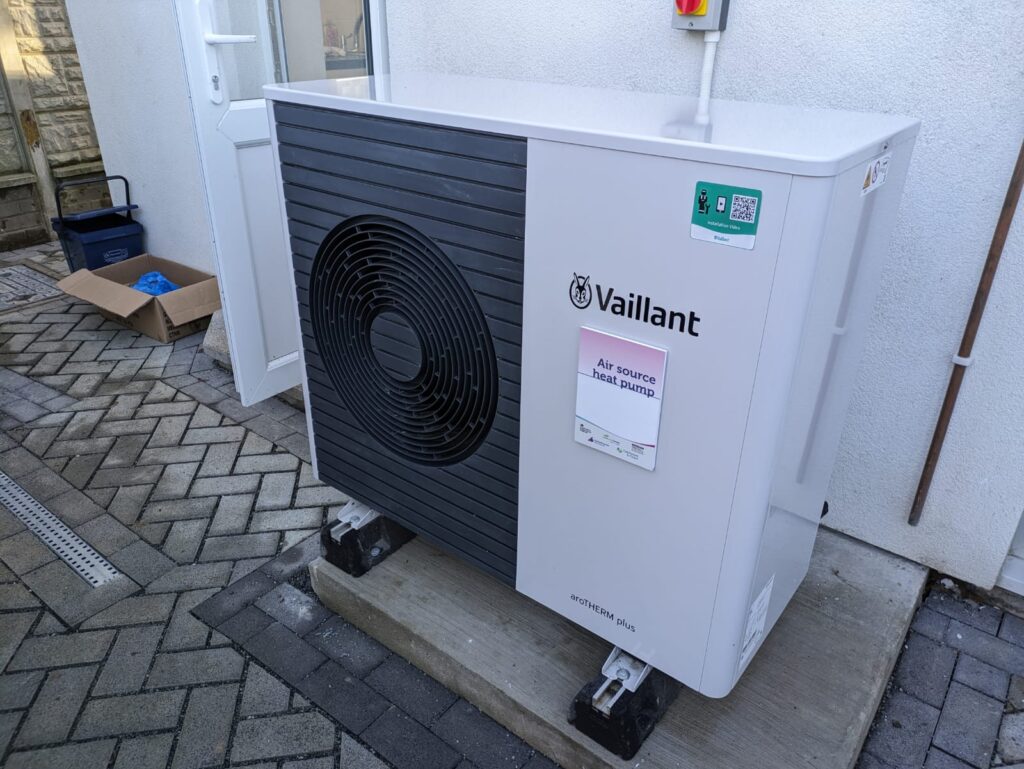
For heating engineers and installers adding heat pumps to a boiler business
A homeowner whose boiler has failed is not shopping for a heating strategy. They want hot water by Friday. That is the context every heat pump conversation in this vertical actually happens in, and ignoring it is why so many of those conversations go nowhere.
There are two enquiries, not one
Treat them separately, because they behave completely differently.
| Boiler replacement | Heat pump | |
|---|---|---|
| Trigger | Failure or imminent failure | Research, grant, or a planned project |
| Timeframe | Days | Weeks to months |
| Decision makers | Usually one | Usually more than one |
| Key anxiety | Being without heat | Running cost and whether it will actually work |
| Survey depth | Light | Heat loss assessment |
A lead that arrives labelled 'boiler' can be either. What tells you which is not the product they named; it is the urgency and the trigger.
What to establish on the first call
Before you mention a heat pump at all, establish three things. If the answers point to an emergency, sell the boiler and note the property for later.
- Is the current system working, or has it failed?
- When do they need this done by?
- Is anyone else involved in the decision?
When the switch is genuinely worth making
The conversation is worth having when the enquiry is planned rather than urgent, the property has some insulation and the homeowner has mentioned running costs, grants or the environment unprompted. Those signals should be captured on the enquiry form, not discovered on call three.
- Property type and age
- Current fuel and system type
- Whether the enquiry mentions grants or efficiency
- Timeframe
- Whether they own the property
Quote both, and be straight about the difference
Where a property genuinely suits either, quoting both works better than advocating one. It moves the conversation from 'is this salesperson pushing me' to 'which of these do I want', and it is honest about a decision that has real trade-offs.
Be plain about the things homeowners have usually read conflicting things about: whether radiators need changing, what the hot water arrangement becomes, how the running cost compares on their actual tariff, and how long the install takes. Vagueness on any of those is what sends people back to searching.
What this means for the leads you buy
If you sell both, buy both, and keep them in separate lists with separate caps. They convert on different timescales, and mixing them makes your reporting meaningless — a good month of boiler work will hide a heat pump pipeline that is going nowhere, or the reverse.
Ask your supplier whether the enquiry form distinguishes the two, and whether you can buy them separately. If everything arrives labelled 'heating', you are doing the sorting yourself and paying for the privilege.
More for lead buyers
-
Boilers & heat pumps
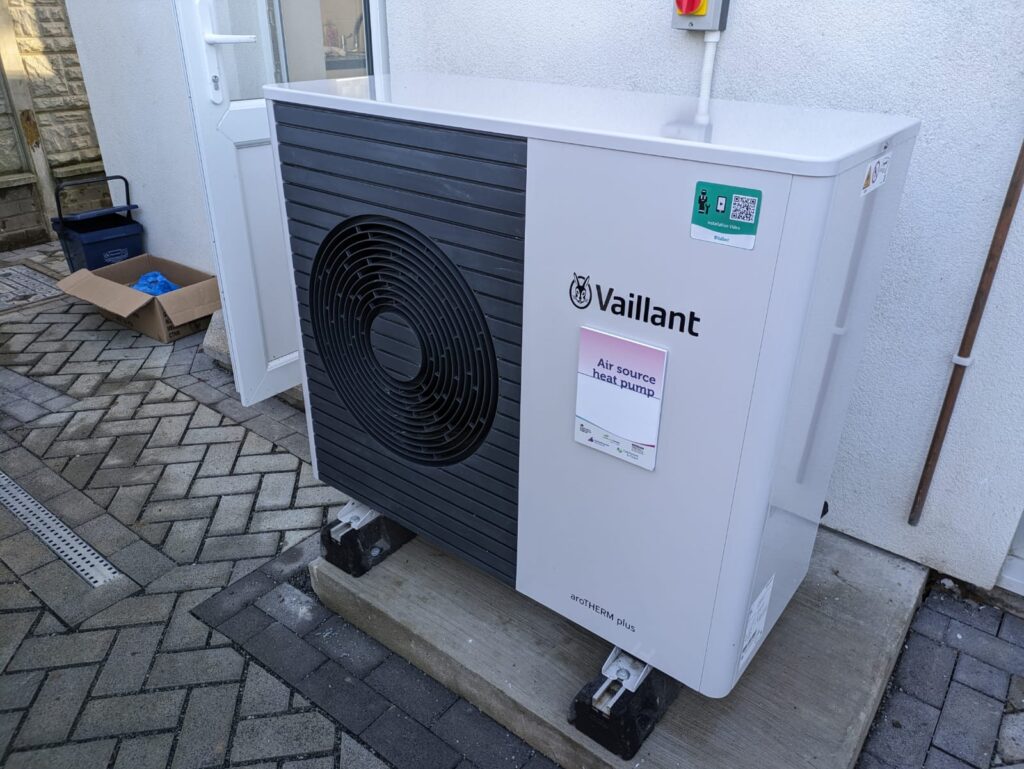
MCS certification or an umbrella scheme: which lets you sell the heat pump leads you buy?
A grant-led heat pump enquiry is only worth its price to an installer who can claim the grant. Here are the two routes to being that installer, and what each one costs you. 8 min read -
Boilers & heat pumps
Boiler and heat pump grants: what homeowners are actually searching for
Grant-driven enquiries surge and stall with the schemes. What that means for the leads landing in your inbox. 6 min read -
Lead buying

What to do with the leads that go quiet
The pipeline most installers never work is the one already sitting in their CRM marked 'no answer'. 6 min read