What a solar enquiry should tell you before you send a surveyor
A surveyor's day is the most expensive thing you spend on a lead. Six fields decide whether that day was worth spending.
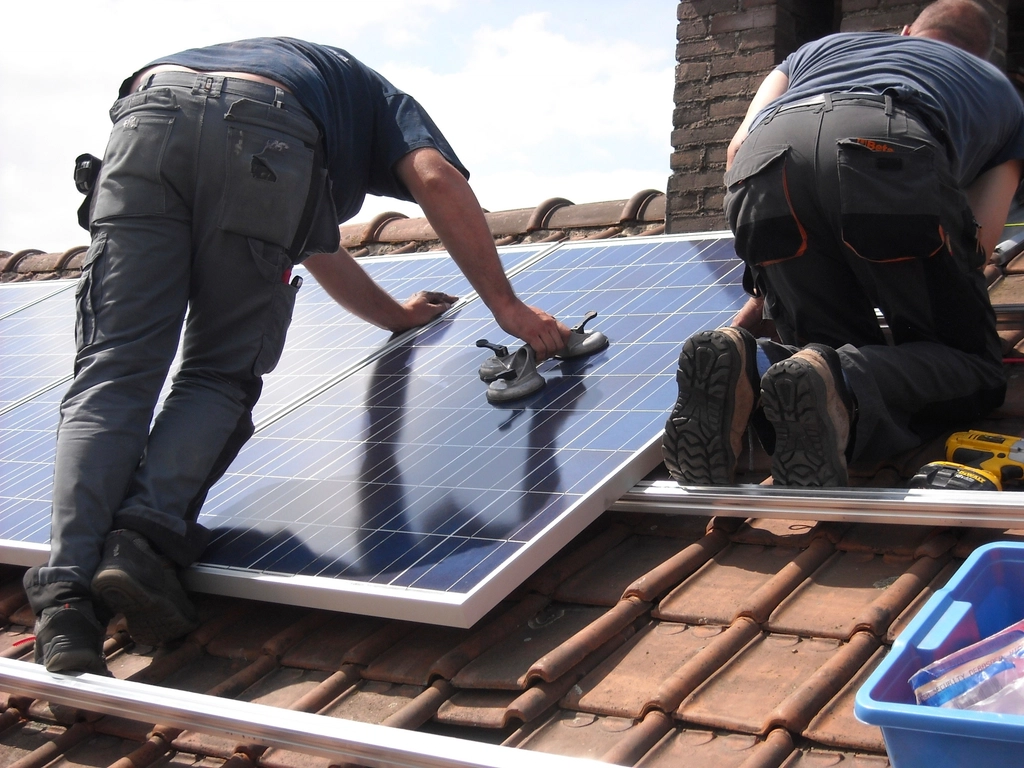
For PV installers and battery retrofitters running an in-house survey team
A wasted solar survey is not a small loss. It is half a day of a qualified person's time, a van, fuel, and a slot that a real prospect could have had. Six fields, captured before the lead reaches you, prevent most of them.
Tenure, first and always
A renter cannot authorise a roof installation. This is the single most common reason a solar survey is wasted, and it is trivially preventable — the question takes one line on a form and the answer cannot be inferred from anything else.
Monthly electricity spend
Bill size is the closest thing to a budget question a homeowner will answer honestly, because it is a fact rather than an intention. It also tells you whether the system that suits them is a system you want to sell.
A household spending £70 a month and a household spending £240 a month are different businesses. Both may be worth having; they are not worth the same survey slot on the same day.
Roof aspect and shading
You cannot fully assess a roof from a form, and you should not try. But a homeowner can reliably tell you which way the main roof faces and whether trees or another building shade it for part of the day, and those two answers filter out the properties where the numbers will never work.
- Aspect: which way the largest roof slope faces
- Shading: trees, chimneys, neighbouring buildings
- Covering: tile, slate, flat, or a mix
- Storeys, which drives access and scaffolding
Property type
Flats and leasehold maisonettes carry a permissions problem that a semi does not. Listed buildings and conservation areas add another. None of these is automatically a no, but each one changes who needs to be involved and how long the job takes — and a surveyor should know before they arrive, not after.
Timeframe, asked plainly
'When were you hoping to have this done?' sorts a list faster than any scoring model. Someone answering 'before winter' and someone answering 'sometime next year, just gathering prices' both deserve a call. They do not both deserve Thursday's survey slot.
Battery interest
Whether they are asking about storage tells you something about how far into the research they are. Homeowners who have got as far as thinking about a battery have usually read enough to have expectations — which is useful, provided your quote arrives before someone else resets those expectations.
The six fields, together
- Owner or renter
- Monthly electricity spend
- Roof aspect and shading
- Property type and storeys
- Timeframe
- Battery interest
The solar enquiries we sell come from Home Energy Quotes, whose form asks about ownership, the electricity bill, the roof, the property, the timeframe and batteries, because a lead that cannot answer them is not a lead — it is a name. If you buy solar leads from anyone, ask to see a redacted sample record before you spend anything, and check the six are there.
More for lead buyers
-
Solar PV & batteries
What a genuinely exclusive solar lead should cost you in 2026
Shared solar leads look cheap until you count the calls. Here is what exclusivity actually costs, and what it saves. 6 min read -
Boilers & heat pumps
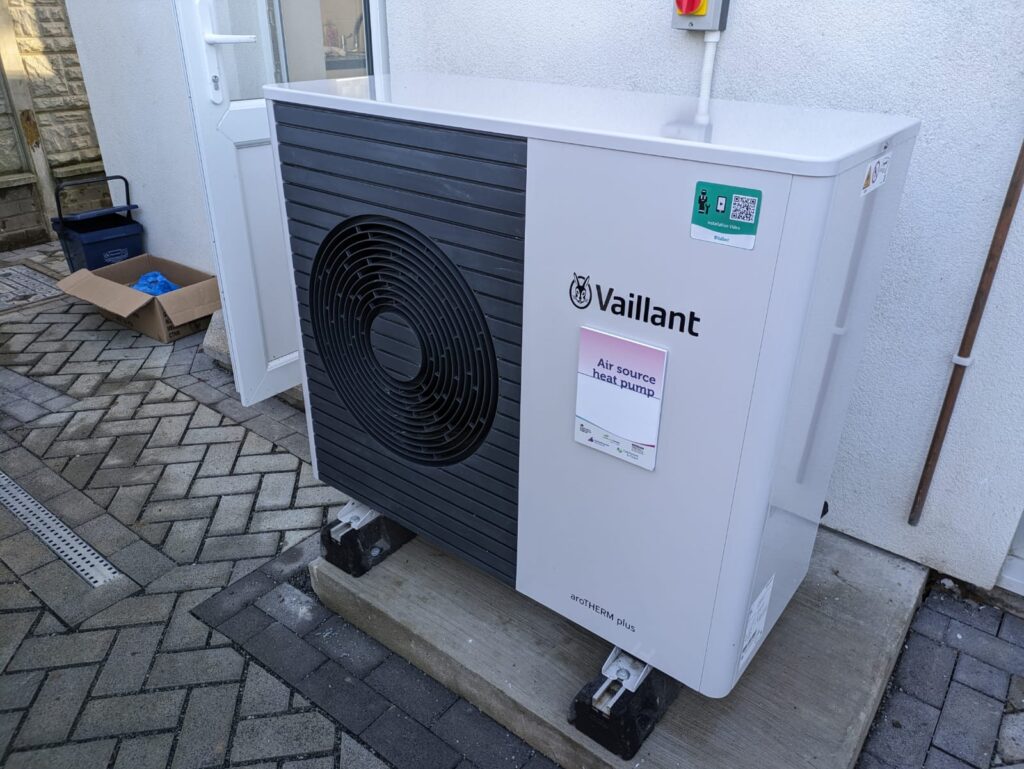
MCS certification or an umbrella scheme: which lets you sell the heat pump leads you buy?
A grant-led heat pump enquiry is only worth its price to an installer who can claim the grant. Here are the two routes to being that installer, and what each one costs you. 8 min read -
Lead buying

What to do with the leads that go quiet
The pipeline most installers never work is the one already sitting in their CRM marked 'no answer'. 6 min read