How to spot a recycled roofing lead before you pay for it
Aged data gets repackaged and sold as fresh. Six checks that expose it in under a minute.
Lead Magnet Group
5 min read
Published
Last updated
For roofing contractors buying enquiries
Recycled leads are the most expensive thing in this industry, because you pay for them twice: once at invoice, once in wasted diary time. They are also easy to identify if you know the tells.
The tells
- The homeowner says "I filled that in months ago" — the enquiry has no timestamp you can check
- No source page named, or a vague answer like "our network"
- The supplier cannot tell you which website the enquiry came from
- Volume that never varies, week in and week out, regardless of season
- No consent record supplied with the lead record
- Suspiciously round pricing with no postcode-level variation
The 30-lead test
Buy a small batch, log every outcome, and score the supplier on four numbers: contact rate, homeowner-confirmed rate, survey rate, and how many were already quoted. Anything under 70% contact rate on fresh data is not fresh data.
More for lead buyers
-
Roofing

Planning for storm season when your lead flow doubles overnight
Roofing demand does not arrive evenly. The firms that handle a storm week well decided how they would handle it in September. 7 min read -
Boilers & heat pumps
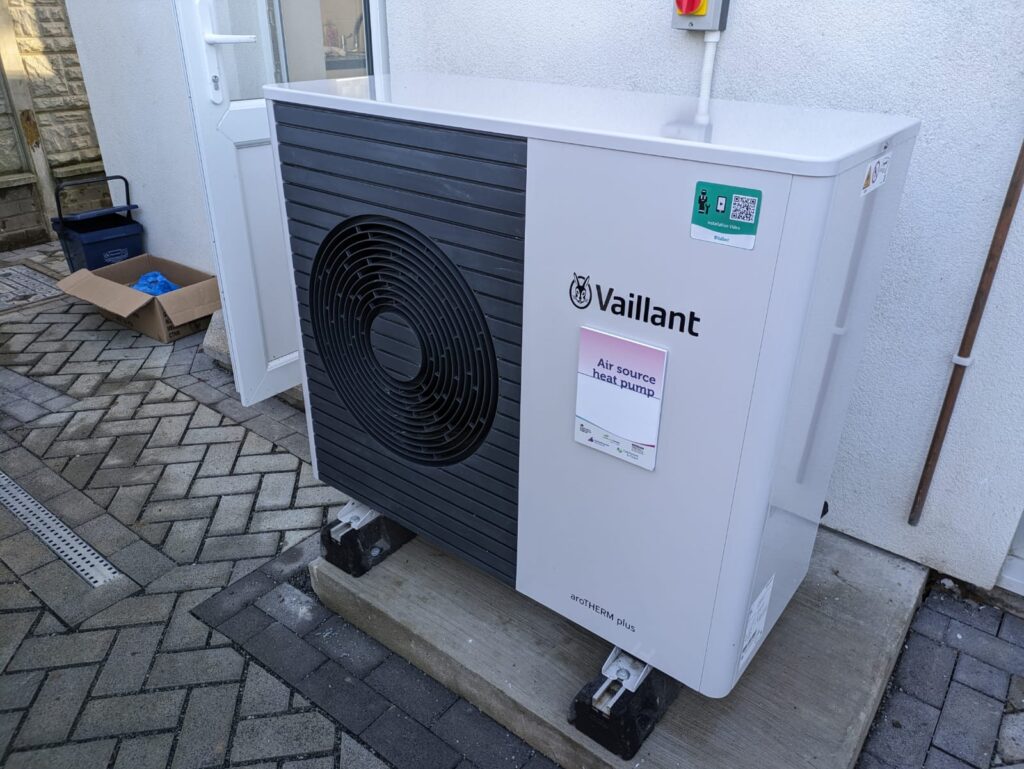
MCS certification or an umbrella scheme: which lets you sell the heat pump leads you buy?
A grant-led heat pump enquiry is only worth its price to an installer who can claim the grant. Here are the two routes to being that installer, and what each one costs you. 8 min read -
Lead buying

What to do with the leads that go quiet
The pipeline most installers never work is the one already sitting in their CRM marked 'no answer'. 6 min read