Quoting extensions and conversions from a first enquiry
Home improvement covers jobs from a £3,000 driveway to a £90,000 extension. Sorting them before the first visit is most of the battle.

For builders and fitters quoting extensions, conversions and external works
Home improvement is the widest of the home trades, and the one where an unqualified enquiry costs the most. A driveway and a two-storey extension arrive through the same form, and only one of them justifies a director's afternoon.
Sort on three axes, not on job type
Job type alone is a poor sorter, because 'extension' covers an enormous range. Three other things predict value and effort far better.
- Scale: rough footprint, storeys, or a description of the finished use
- Planning status: nothing yet, drawings done, permission granted, or permitted development
- Readiness: are they pricing, or are they ready to start?
A homeowner with drawings and permission is a different prospect from one who has had an idea, even if they describe the same job. The second is not worthless — but they are months away and should be treated as such.
| Planning status | What it tells you | Typical distance from start |
|---|---|---|
| Just an idea | Scope will move a lot | 6-18 months |
| Architect engaged | Scope firming up | 4-12 months |
| Drawings complete | Real, quotable | 2-6 months |
| Permission granted | Ready to price properly | 1-4 months |
| Permitted development confirmed | Ready now | Weeks |
The budget conversation, done properly
Asking 'what's your budget?' on a first call usually gets either silence or a number invented on the spot. Ask instead what they have been told it might cost, or what figure they have in mind from their own research.
That reframes it as sharing information rather than disclosing a negotiating position, and it surfaces the single most common problem in this vertical: a homeowner expecting a £40,000 job for £18,000. Better to find that out on the phone than after a measured survey and three days of estimating.
What the enquiry should capture
- Job type, described by the homeowner rather than picked from a short list
- Rough scale or intended use
- Planning status
- Timeframe
- Property type and age
- Whether they own the property
Age matters more here than in other trades, because it drives what you will find once you open things up — and a Victorian terrace and a 2015 estate house present completely different risk on the same nominal job.
What to do with the ones that are months away
Do not discard them and do not chase them weekly. Put them on a dated follow-up matched to their own timeframe, and make the next contact useful rather than a check-in. A homeowner who said 'after the summer' should hear from you in August with something worth reading, not in June asking if they are ready yet.
That is where a lot of home improvement margin sits, and it is almost entirely ignored by firms who judge a lead purely on whether it converted this quarter.
More for lead buyers
-
Home improvement
How many leads a week does a 12-fitter team actually need?
Work backwards from installation capacity so you buy enough to stay busy without drowning your sales team. 6 min read -
Boilers & heat pumps
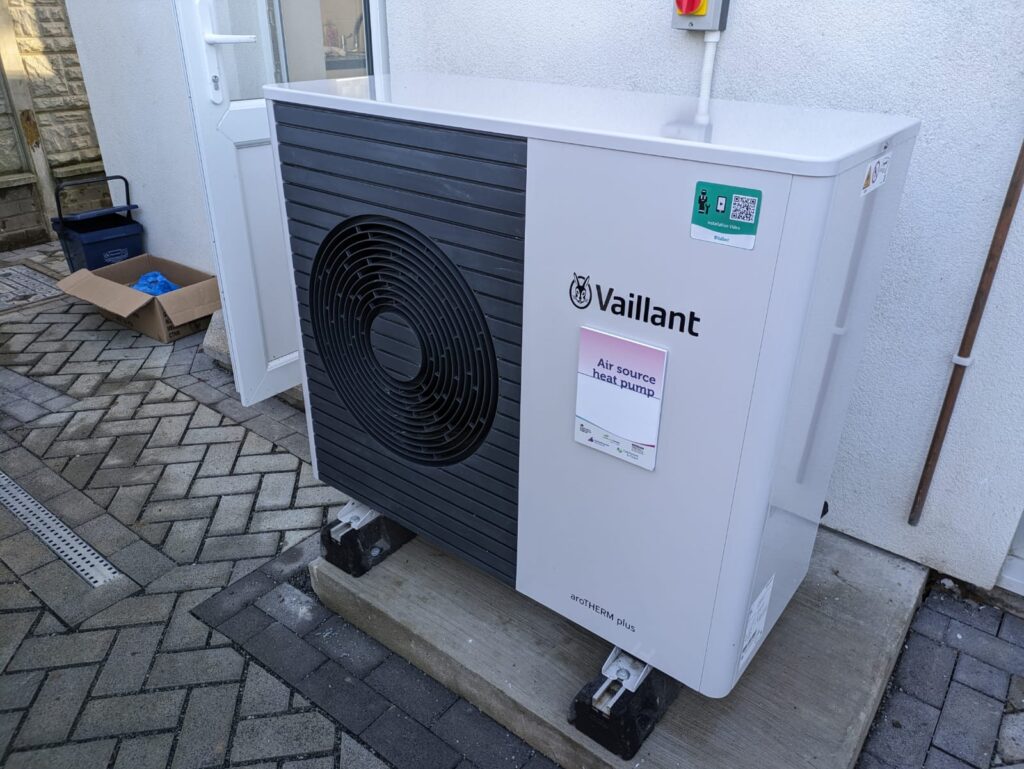
MCS certification or an umbrella scheme: which lets you sell the heat pump leads you buy?
A grant-led heat pump enquiry is only worth its price to an installer who can claim the grant. Here are the two routes to being that installer, and what each one costs you. 8 min read -
Lead buying

What to do with the leads that go quiet
The pipeline most installers never work is the one already sitting in their CRM marked 'no answer'. 6 min read