Buying mortgage and bridging leads without a compliance headache
Regulated advice changes what a lead can promise, how it can be generated and what you must be able to evidence afterwards.
For mortgage, bridging and commercial finance brokers buying enquiries
This is a practical overview for brokers, not compliance advice. Your own permissions, your network's rules and your compliance officer take precedence over anything here.
Finance leads carry a risk that trade leads do not. The way an enquiry was promoted can create a problem for the firm that buys it, because the consumer's expectations were set by a page you did not write.
The promotion is part of what you are buying
A homeowner who arrived via a page promising 'guaranteed approval' or an unqualified rate is not a neutral enquiry. They have been told something, and you inherit the gap between that and reality on your first call.
- Ask to see the landing page and the ad creative, not just the form
- Check whether any rate, approval or eligibility claim is made
- Check whether the page makes clear that advice is provided by a third party
- Check what the consumer was told would happen next
Consent, and who is allowed to call
The consent wording needs to cover contact by your firm, for this purpose. Wording that names only a category ('one of our partners') is common, but it is not enough: the ICO's guidance is that consent must name every firm that will rely on it. Ask to see your firm's name in the wording the consumer agreed to, and a clear request to be called about the product. For mortgages, that request is what stops your first call being a cold call.
- The exact opt-in wording as displayed
- Timestamp, IP and source URL
- Whether the consumer was told they would be contacted by phone
- TPS and CTPS screening, and when it ran
Ask for less, not more
There is a temptation to buy enquiries carrying as much financial detail as possible. Be careful: the more sensitive the data on the record, the more you have to protect, and the harder your position becomes if that record was collected on a page you cannot defend.
Enough to qualify and call is usually the right amount. Detailed financial circumstances belong in the advised conversation, gathered by you, under your own process.
Exclusivity matters more here than anywhere
A consumer who has given financial details and then receives calls from five brokers has had a bad experience that reflects on all five. In a regulated context that is not only a conversion problem; it is a complaint risk and a treating-customers-fairly problem.
“A shared finance lead is a complaint waiting to be allocated to whoever answers last.”
Check the supplier's own status
Introducing a would-be borrower to a mortgage broker or lender is an FCA-regulated activity unless the introducer meets the conditions of article 33A of the Regulated Activities Order, which include telling the consumer, before the introduction, what the introducer is paid. Introducing people for unsecured loans, or sole traders and small partnerships for business finance, is credit broking and needs FCA permission. Ask for the supplier's FCA number, or its principal's if it is an appointed representative, and check it on the Financial Services Register.
What to agree in writing
- One buyer per enquiry, stated in the agreement
- The promotional material that generated the enquiry, supplied on request
- Consent wording, timestamp, IP and source with every lead
- Retention period for those records, and access after termination
- A defined replacement policy that excludes 'changed their mind'
The simple version
Before you spend anything, ask to see the page a consumer completed, the wording they agreed to, and the contract term that says nobody else gets the lead. If a supplier can produce all three quickly, the rest of the conversation is about price. If they cannot, price is not the issue.
More for lead buyers
-
Boilers & heat pumps
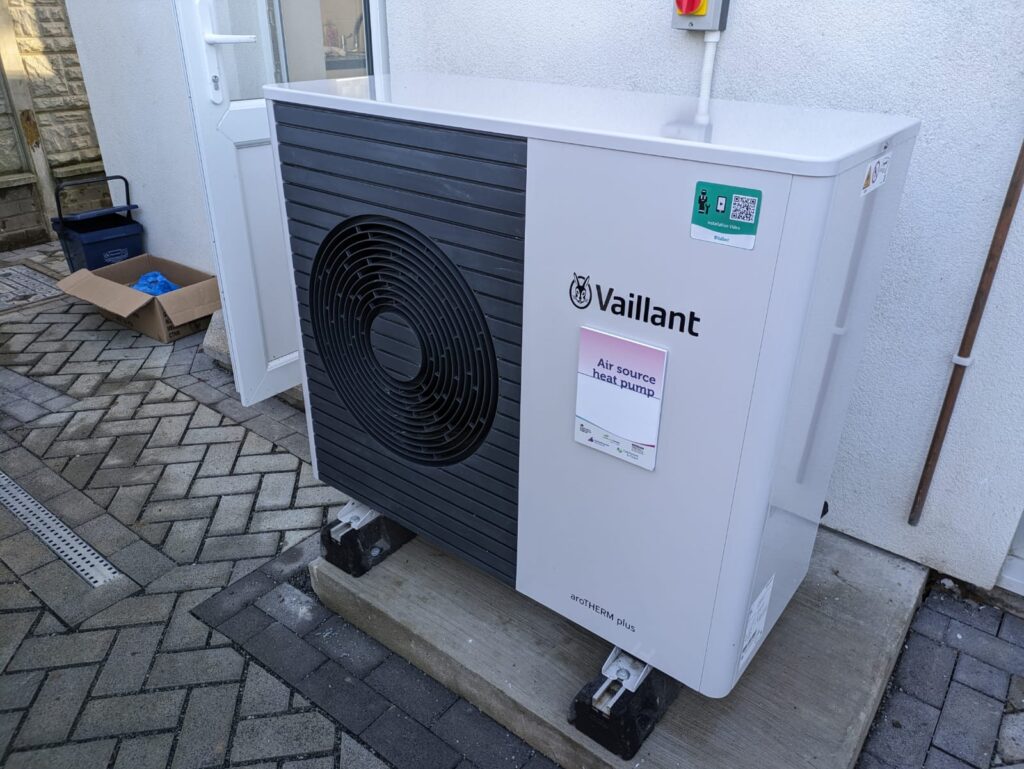
MCS certification or an umbrella scheme: which lets you sell the heat pump leads you buy?
A grant-led heat pump enquiry is only worth its price to an installer who can claim the grant. Here are the two routes to being that installer, and what each one costs you. 8 min read -
Lead buying

What to do with the leads that go quiet
The pipeline most installers never work is the one already sitting in their CRM marked 'no answer'. 6 min read -
Insurance

Protection leads: consent, contact and the audit trail
Life and income protection enquiries are personal, regulated and easy to handle badly. What to check before you buy, and what to keep afterwards. 7 min read