Protection leads: consent, contact and the audit trail
Life and income protection enquiries are personal, regulated and easy to handle badly. What to check before you buy, and what to keep afterwards.

For protection and commercial insurance advisers buying enquiries
A practical overview for advisers, not compliance advice — your permissions and your compliance function come first.
Protection enquiries differ from trade enquiries in a way that matters commercially as well as legally. The consumer has volunteered something personal, often prompted by a life event, and they are unusually sensitive to how the first contact feels.
The first call sets everything
Someone who has just enquired about life cover is frequently doing so because of a diagnosis, a birth, a bereavement or a mortgage. A brisk, scripted opening lands badly in a way it does not when you are quoting for windows.
- Name the enquiry and where it came from, immediately
- Ask whether now is a convenient moment, and mean it
- Do not ask health questions before you have explained who you are and why
- Offer to call back at a time that suits, and then do
Check what the source page said
As with any regulated enquiry, you inherit the expectations set by a page you did not write. For protection, look specifically for anything implying guaranteed acceptance, a fixed premium, or cover without underwriting.
Check the supplier's status too. Passing a potential policyholder's details to an adviser or insurer is outside FCA regulation only if the supplier does nothing more than pass on basic information such as a name and contact details; the FCA's guidance excludes answers gathered by pre-purchase questioning. A supplier that asks about cover, age or health, or phones people to qualify them, needs to be authorised or an appointed representative, and your firm must not use the insurance distribution services of a firm that is neither.
Consent, and be careful what you buy
Health information is special category data under UK GDPR, with a higher bar than ordinary personal data. The safest position for a lead buyer is not to receive it at all in the enquiry.
Buy enough to make a competent first call — name, contact details, general product interest, and consent evidence. Gather everything else yourself, in your own advised process, where you control the basis and the record.
- Opt-in wording as displayed, with timestamp, IP and source URL
- Confirmation that the consumer was told they would be contacted by phone
- TPS and CTPS screening evidence
- No health detail on the record unless you have a clear, documented basis for holding it
Exclusivity is a conduct issue here
A consumer who enquires about life cover after a diagnosis and then receives five calls has had a genuinely distressing experience. In a regulated context that is a treating-customers-fairly problem, not just a conversion one, and it attaches to every firm that called.
“In protection, a shared lead is not a cheaper lead. It is a shared complaint.”
The records to keep
- The enquiry record as supplied, including consent evidence
- The source page or creative, obtained at the point of purchase
- Your own call recordings and notes
- Suppression: an immediate, permanent stop when someone asks
Agree retention and post-termination access with your supplier in writing. If a complaint arrives eighteen months after you stopped buying from someone, you still need to be able to show the basis on which you made the call.
More for lead buyers
-
Boilers & heat pumps
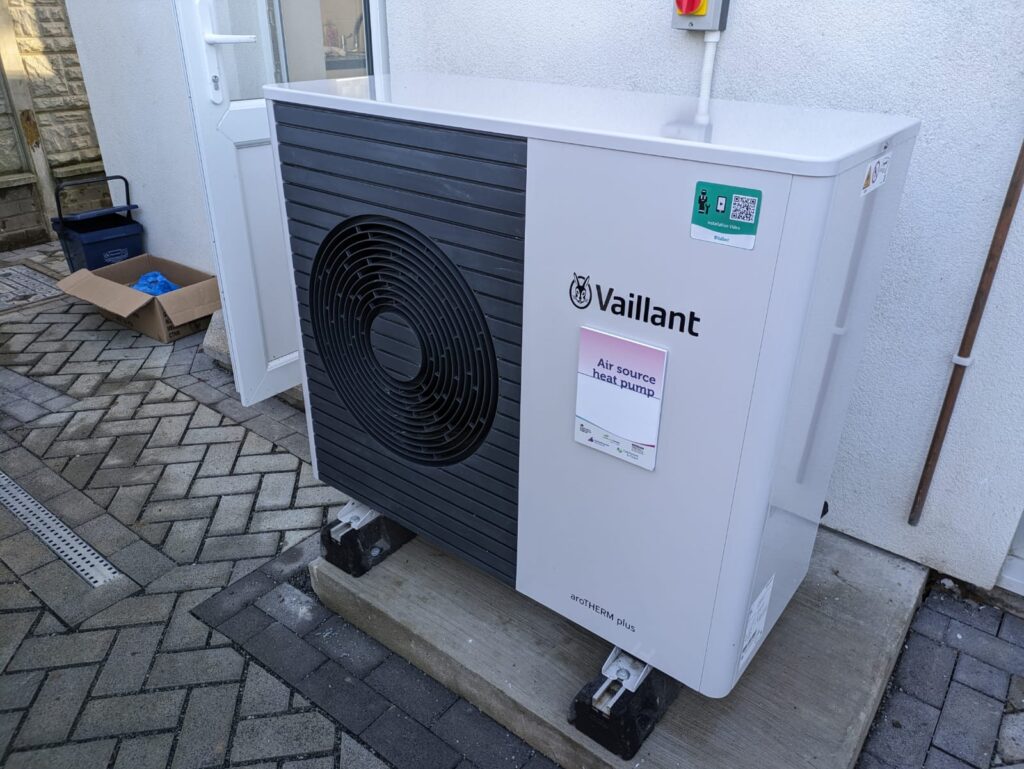
MCS certification or an umbrella scheme: which lets you sell the heat pump leads you buy?
A grant-led heat pump enquiry is only worth its price to an installer who can claim the grant. Here are the two routes to being that installer, and what each one costs you. 8 min read -
Lead buying

What to do with the leads that go quiet
The pipeline most installers never work is the one already sitting in their CRM marked 'no answer'. 6 min read -
Lead buying Playbook

Building a lead scorecard your sales team will actually use
Most scoring models are abandoned within a month because they are built for the spreadsheet rather than for the person holding the phone. 8 min read