Building a lead scorecard your sales team will actually use
Most scoring models are abandoned within a month because they are built for the spreadsheet rather than for the person holding the phone.

For sales managers who want prioritisation their team will follow
Lead scoring has a poor reputation among salespeople, and mostly it is deserved. A model with fourteen weighted inputs that produces a number between 0 and 100 tells someone with forty leads and four hours precisely nothing about what to do next.
1 Score for a decision, not for a number
The only decision the scorecard needs to support is ordering: what do I ring first, and what can wait until tomorrow? That means three tiers, not a hundred points.
| Tier | Means | Action |
|---|---|---|
| A | Urgent and qualified | Call within the hour, keep calling |
| B | Qualified, not urgent | Call today, standard cadence |
| C | Incomplete or long-horizon | Call once, then dated follow-up |
2 Build it from fields you already have
A scorecard that needs new data collection will not survive. Use what arrives with the lead.
- Timeframe — often the strongest single predictor of whether a job goes ahead
- Tenure — owner or renter, which is usually pass or fail rather than a score
- Completeness — how many of the vertical's key fields are populated
- Scale — bill size, opening count, job scope, whatever your trade's proxy is
- Trigger — whether something has broken or is about to
Notice what is absent: no engagement scoring, no page-view weighting, no lead-age decay curve. Those may be interesting; they are not what makes someone pick up a phone.
3 Write it as rules, not weights
Rules are auditable by the person following them, and they can disagree with you out loud, which is how the model improves.
- Not the owner, on a trade job: fail, request replacement
- Timeframe within a month, and complete: tier A
- Timeframe within three months, and complete: tier B
- Timeframe beyond three months: tier C regardless of anything else
- Two or more key fields missing: tier C, and tell the supplier
4 Check it against outcomes after a month
The test is simple: do tier A leads convert better than tier B, and B better than C? If the tiers do not separate, the scorecard is decoration.
When they do not separate, it is almost always because the tiers are built on something that correlates with your effort rather than with the homeowner's intent — tier A gets called faster, so it converts better, and the model is measuring itself.
5 The thing most scorecards miss
Timeframe beats everything, and it beats it by a distance. A complete, high-value enquiry from someone who is buying next spring is worth less this week than a thin enquiry from someone whose boiler died on Sunday.
If you build nothing else, sort by timeframe and act on it. That single rule captures most of the available benefit, and it takes an afternoon rather than a project.
More for lead buyers
-
Boilers & heat pumps
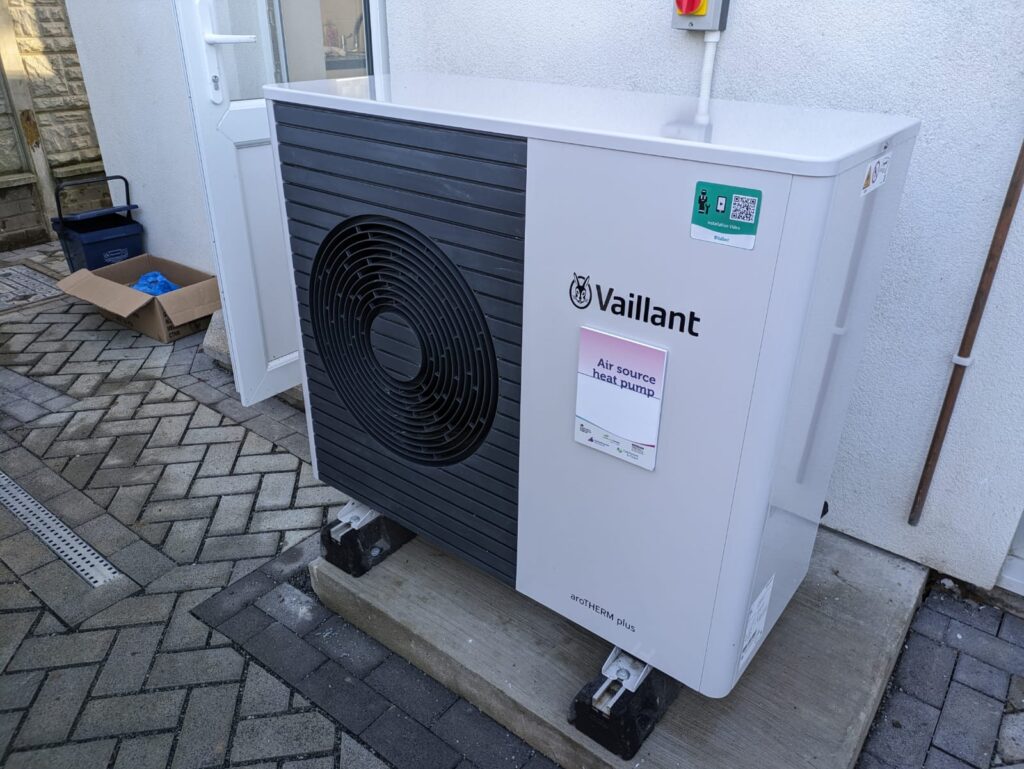
MCS certification or an umbrella scheme: which lets you sell the heat pump leads you buy?
A grant-led heat pump enquiry is only worth its price to an installer who can claim the grant. Here are the two routes to being that installer, and what each one costs you. 8 min read -
Lead buying

What to do with the leads that go quiet
The pipeline most installers never work is the one already sitting in their CRM marked 'no answer'. 6 min read -
Insurance

Protection leads: consent, contact and the audit trail
Life and income protection enquiries are personal, regulated and easy to handle badly. What to check before you buy, and what to keep afterwards. 7 min read