Why your cheapest lead source is usually your most expensive
Cost per lead is the easiest number to compare and the least useful. The cost that matters includes the time your team spends on leads that were never going to convert.

For owners comparing lead sources on price
A shared lead at £12 and an exclusive lead at £45 look like an easy comparison. They are not comparable at all, because the price on the invoice is not the price you pay.
The cost nobody invoices you for
Every lead consumes sales time whether or not it converts. Someone rings it, rings it again, leaves a message, updates the CRM, and eventually writes it off. That time has a cost, and on cheap leads it is usually larger than the lead price.
Put a figure on it. If a salesperson costs £18 an hour fully loaded and spends an average of twelve minutes across all attempts on a lead, that lead carries £3.60 of labour before anything else happens.
| Shared lead | Exclusive lead | |
|---|---|---|
| Price per lead | £12 | £45 |
| Typical attempts before contact or write-off | 6 | 2 |
| Sales time per lead | 24 min | 8 min |
| Labour at £18/hour | £7.20 | £2.40 |
| Total cost per lead | £19.20 | £47.40 |
So far the exclusive lead still looks worse. The comparison only resolves when you divide by jobs.
Divide by jobs, not by leads
Assume the shared lead converts at 1.5% and the exclusive at 6%. Those figures are illustrative, but the direction is not mysterious: with an exclusive lead you are the only company calling.
| Shared lead | Exclusive lead | |
|---|---|---|
| Total cost per lead | £19.20 | £47.40 |
| Conversion to job | 1.5% | 6% |
| Leads per job | 67 | 17 |
| Cost per job | £1,280 | £806 |
£474 difference per job in this example, in favour of the dearer lead
The cheaper lead is more expensive per job, and it also consumed four times as much of your sales team's week to get there. That second cost is the one that caps growth, because you cannot buy more hours as easily as you can buy more leads.
The cost that does not appear anywhere
There is a third cost, harder to quantify and easy to underestimate. A salesperson who spends most of the day being told 'we've already had three of you ring' stops calling with any conviction, and the good leads in the same list suffer for it.
How to check your own numbers
- Log attempts per lead, by source, for one month
- Put a loaded hourly cost against your sales time
- Calculate total cost per lead including that labour
- Divide by jobs won, by source
- Compare cost per job — not cost per lead
If the cheap source still wins on cost per job, keep buying it. Plenty of buyers run both. The point is not that exclusive is always right; it is that the invoice price cannot tell you which is.
More for lead buyers
-
Boilers & heat pumps
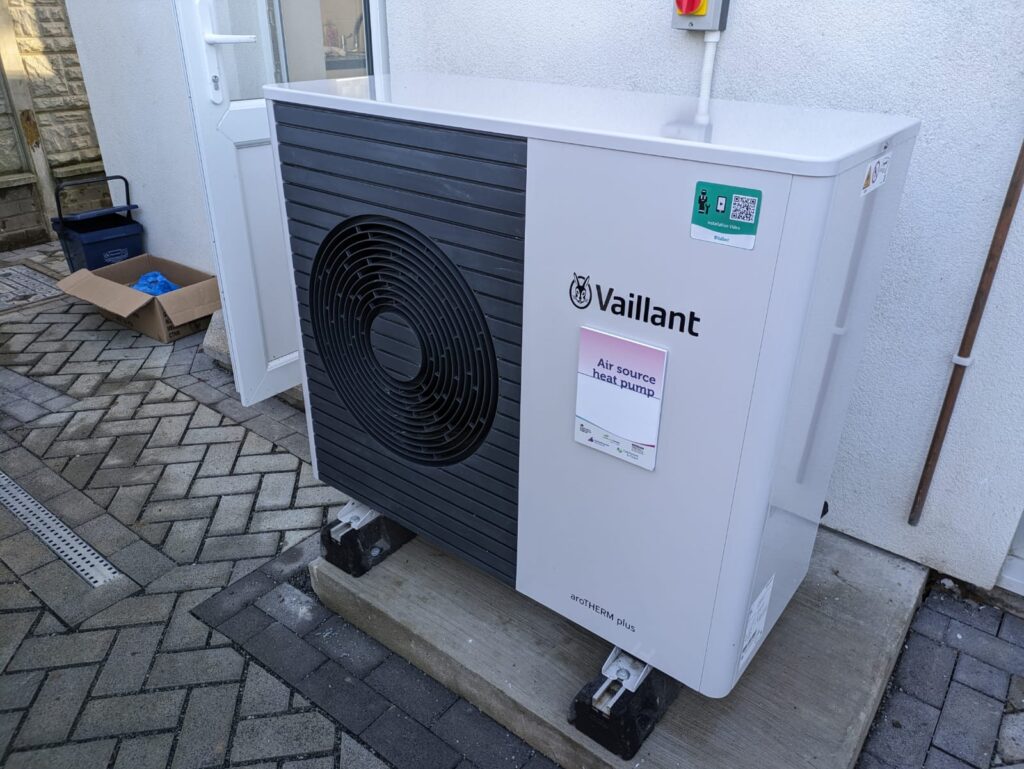
MCS certification or an umbrella scheme: which lets you sell the heat pump leads you buy?
A grant-led heat pump enquiry is only worth its price to an installer who can claim the grant. Here are the two routes to being that installer, and what each one costs you. 8 min read -
Lead buying

What to do with the leads that go quiet
The pipeline most installers never work is the one already sitting in their CRM marked 'no answer'. 6 min read -
Insurance

Protection leads: consent, contact and the audit trail
Life and income protection enquiries are personal, regulated and easy to handle badly. What to check before you buy, and what to keep afterwards. 7 min read