How to work out what a homeowner lead is actually worth to you
Before you argue about the price of a lead, work out your own ceiling. Four numbers you already have will tell you what you can afford to pay.
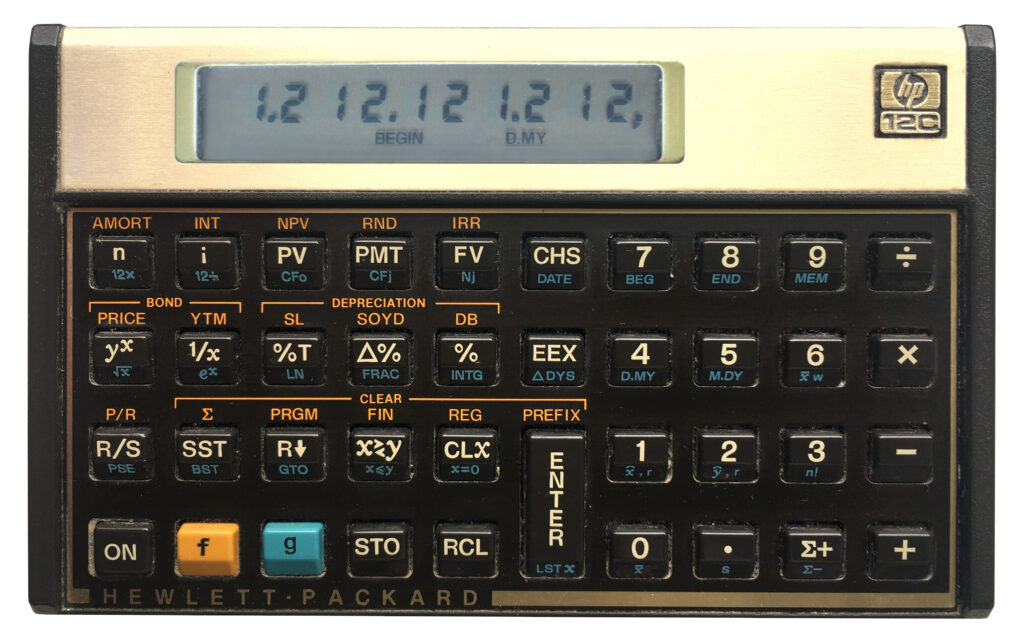
For owners and sales directors setting a lead budget for the first time
Most arguments about lead price happen the wrong way round. A supplier quotes £45, the buyer decides that feels expensive, and nobody establishes what £45 would need to produce to be worth paying. You cannot judge a price without a ceiling, and your ceiling is specific to your business.
Four numbers give you one. You almost certainly have all four already, even if nobody has written them next to each other.
1 The four numbers
Take the last hundred leads you bought from any source, and the jobs that came out of them.
- Contact rate: of the leads you paid for, what share did you actually speak to?
- Appointment rate: of those you spoke to, what share agreed to a survey or quote?
- Close rate: of those surveyed, what share signed?
- Gross margin per job: the money left after materials, labour and subcontractors, before overhead.
Multiply the three rates together and you get the share of purchased leads that become jobs. Multiply that by gross margin and you get the gross profit a single purchased lead produces on average.
2 A worked example
These figures are illustrative — substitute yours. The method matters more than the numbers.
| Input | Example | Where yours comes from |
|---|---|---|
| Contact rate | 62% | CRM: leads with a logged conversation |
| Appointment rate | 40% | Diary: surveys booked from those conversations |
| Close rate | 28% | Jobs signed from surveys attended |
| Gross margin per job | £2,400 | Finance: revenue less direct cost |
0.62 x 0.40 x 0.28 = 0.069. Just under seven leads in a hundred become a job. At £2,400 gross margin, each purchased lead is worth about £166 in gross profit.
£166 gross profit per purchased lead, in this example
That is not what you should pay. It is the number above which you are certainly losing money. What you can sensibly pay is whatever fraction of it leaves the return you need after overhead and sales cost.
3 Turning that into a ceiling
Decide the multiple you want between gross profit and lead spend. Pick a multiple you can defend to your finance director: at six times, the example above supports about £27 per lead.
If a supplier quotes £45 against a £27 ceiling, you have a real decision rather than a feeling. Either the lead has to convert better than your current average to justify the price, or it is not for you. Exclusive leads should convert better, because you are not the fourth caller — but ask the supplier to show you why, and then measure it yourself.
4 What this changes in practice
- You can negotiate on evidence rather than instinct
- You can tell quickly whether a source is underperforming or simply priced above your ceiling
- You can set a defensible weekly budget rather than a comfortable-feeling one
- You can spot when a rise in close rate has made a previously unaffordable source affordable
5 The number most people are missing
Contact rate is where the calculation usually falls over, because it is the one number nobody records cleanly. Attempts get logged; conversations often do not. If you cannot separate 'we rang it four times' from 'we spoke to a human', start there. Everything downstream is guesswork until you can.
If you want a hand running the numbers on your own data, send us your last quarter's lead counts and job counts and we will work the ceiling out with you. We would rather quote against a number you trust than a number you have accepted.
More for lead buyers
-
Boilers & heat pumps
MCS certification or an umbrella scheme: which lets you sell the heat pump leads you buy?
A grant-led heat pump enquiry is only worth its price to an installer who can claim the grant. Here are the two routes to being that installer, and what each one costs you. 8 min read -
Lead buying

What to do with the leads that go quiet
The pipeline most installers never work is the one already sitting in their CRM marked 'no answer'. 6 min read -
Insurance

Protection leads: consent, contact and the audit trail
Life and income protection enquiries are personal, regulated and easy to handle badly. What to check before you buy, and what to keep afterwards. 7 min read